GEO blogs
AI search guideGEO Blogs: How to Get Your Posts Cited by ChatGPT, Perplexity and Gemini
Generative engine optimization for blogs: let the AI crawlers in, give them a map, and write passages specific enough that an AI answer quotes them with your name attached.
On this page▸
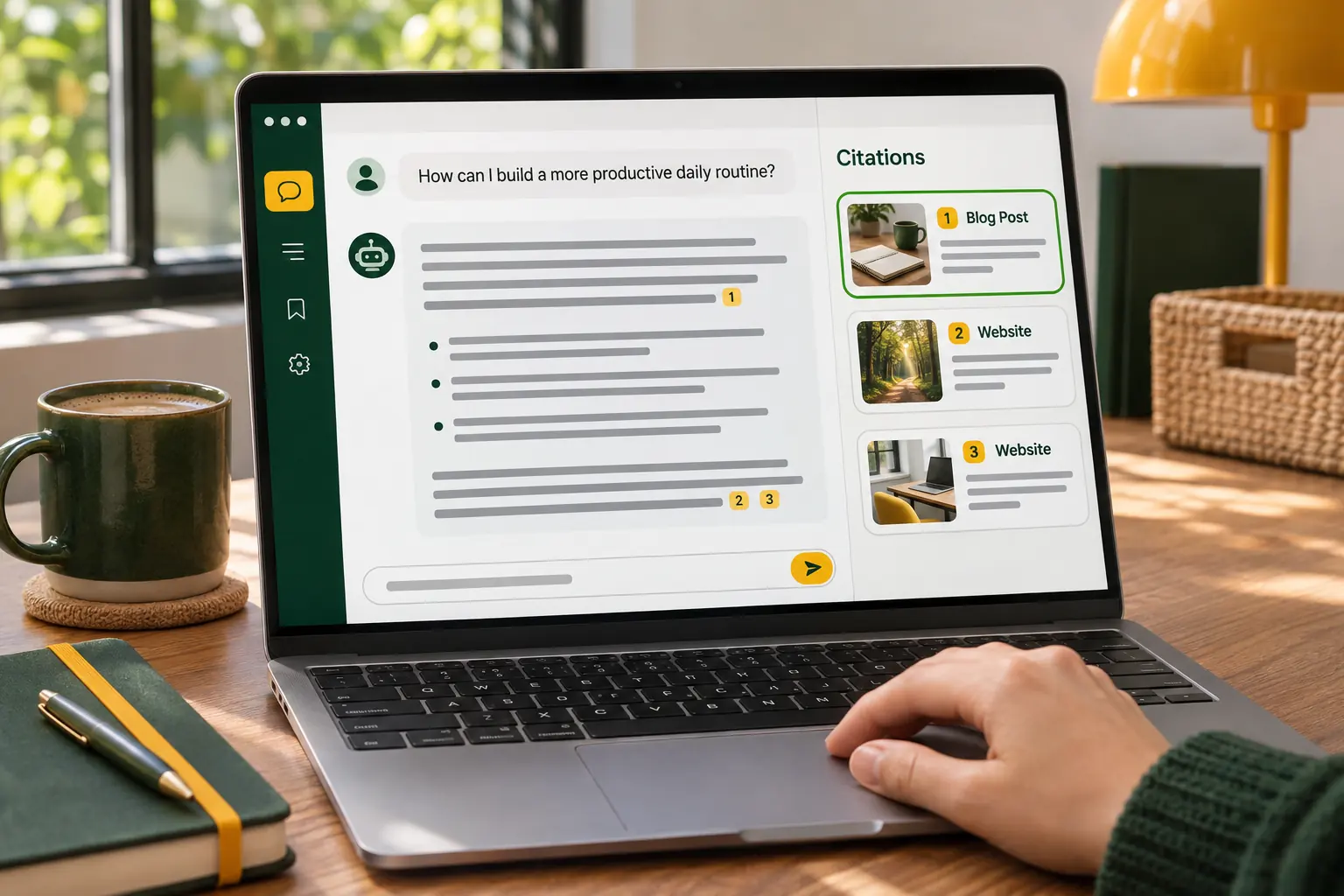
GEO blogs are posts written so generative engines like ChatGPT, Perplexity, Gemini and Google's AI Overviews can find them, understand them and cite them in their answers. They let AI crawlers in, state facts with sources and numbers, and make each passage clear enough to quote with your name attached.
What generative engine optimization is
Generative engine optimization (GEO) is the practice of making content visible inside AI-generated answers. The term comes from a 2023 research paper, GEO: Generative Engine Optimization, by researchers at Princeton, Georgia Tech, the Allen Institute for AI and IIT Delhi.
They tested how different edits to a web page changed its visibility in answers produced by generative search engines. Some edits helped a lot, others barely moved anything, and the effective ones were not the old SEO tricks. Adding citations to sources, adding quotations and adding statistics were among the methods that raised visibility most, with gains of up to 40% for some methods in their tests. Stuffing keywords did little.
For a blog, that turns into a clear set of habits, and the good news is that they are the same habits that make a post better for people.
Step one for GEO blogs: let the AI crawlers in
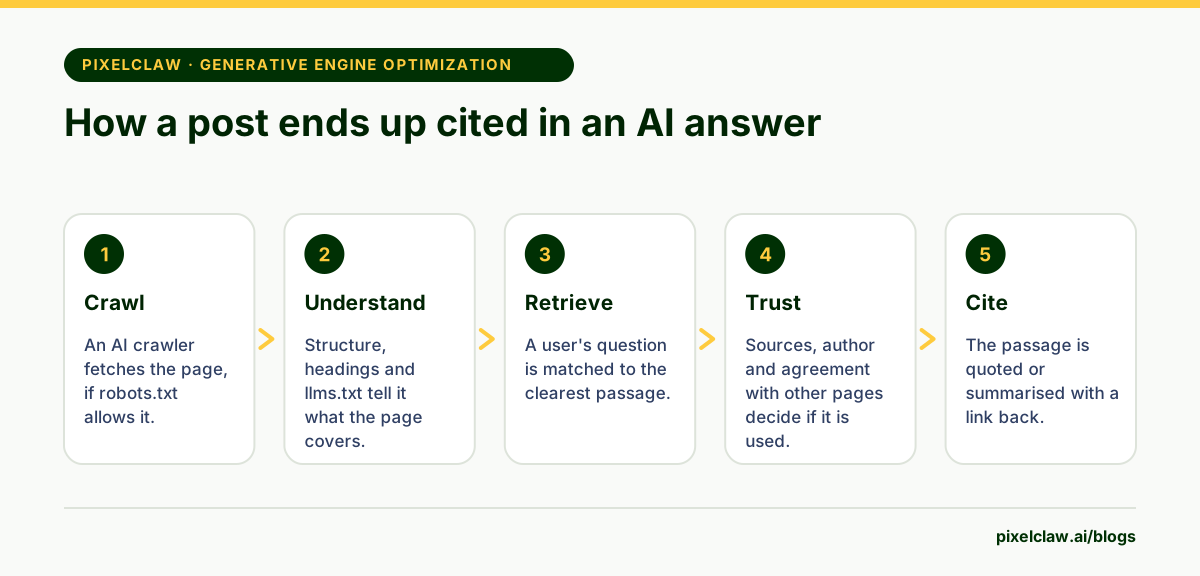
A generative engine cannot cite a page it has never read. Before anything else, check that your robots.txt is not blocking the crawlers that feed AI answers. Many sites block them by accident, through a security plugin or a copied template.
The names to know: OpenAI documents its crawlers, including OAI-SearchBot for ChatGPT search and GPTBot for model training. Perplexity uses PerplexityBot. Anthropic uses ClaudeBot. Google's Google-Extended token controls whether your content is used for Gemini, and Google says it does not affect your inclusion in Google Search.
Every PixelClaw blog has a Search and AI crawlers setting, and the score's AI discovery checks warn you if the blog asks AI answer engines to stay away. You can block training crawlers and still allow search crawlers, if that is the balance you want.
llms.txt: a plain map for AI assistants
llms.txt is a proposed convention: a Markdown file at the root of a site that lists its most important pages with a one-line description each. Search engines have sitemaps; llms.txt is the short, readable version for language models that browse.
It is not a ranking factor and no assistant is obliged to read it. It is still worth the few minutes it costs, because it states plainly what your site is and which pages answer which questions, in a format any model can read without rendering a page.
PixelClaw writes and updates llms.txt for every hosted blog as you publish, alongside the sitemap and robots.txt. Our longer llms.txt guide covers the format line by line.
Write passages worth citing
Generative engines cite passages, not posts. The unit you are writing for is a paragraph that answers one question completely, names its subject, and gives the specifics.
Compare two passages about the same thing. "Many experts believe regular maintenance can significantly extend equipment life" says nothing quotable. "Changing a heat pump's air filter every one to three months keeps it running efficiently, according to the US Department of Energy" gives an engine a fact, a range and a source in one sentence.
Name things. Say "Google Search Console" rather than "a popular tool", and "the March 2024 core update" rather than "recent changes". Entities are how AI systems connect your passage to the question and to other sources that agree with it.
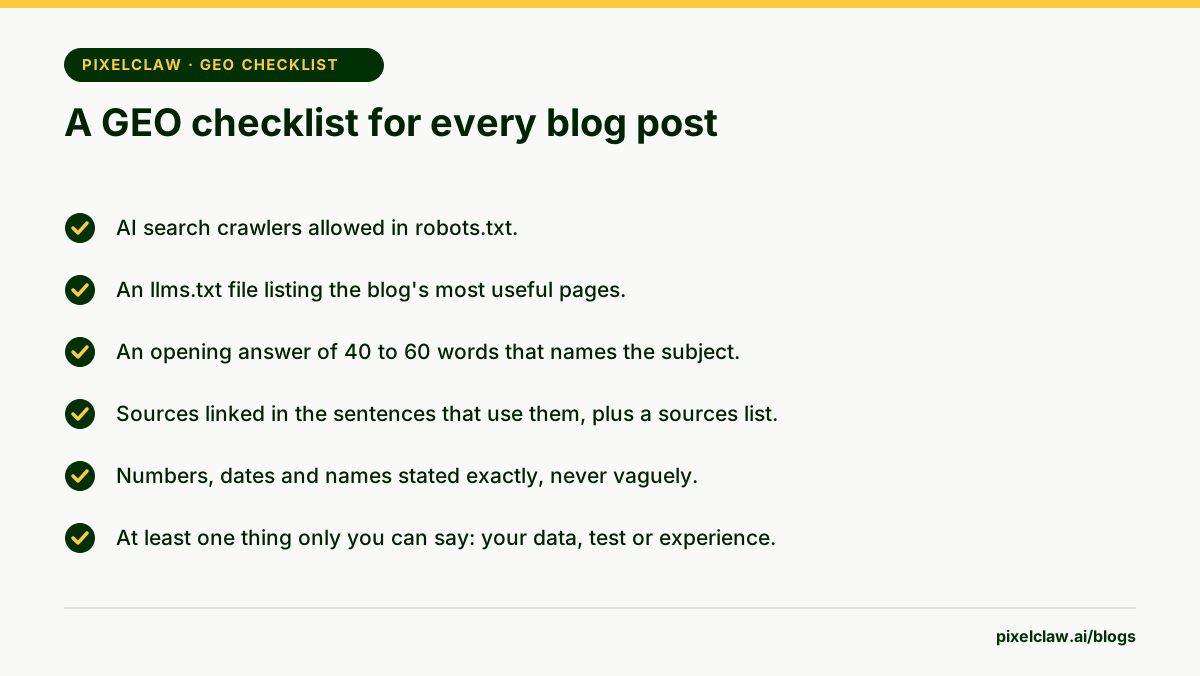
- One question per paragraph, answered in its first sentence.
- A number, range or date wherever the claim allows one.
- The source named in the sentence and linked.
- Products, places, laws and people named exactly.
- A short quote from a primary source where it adds weight.
Be the source other people cite
The strongest GEO position is to publish something other pages, and therefore AI answers, have to cite: your own data, your own test, your own prices, your own experience.
This does not need a research department. A roofing company can publish what its last fifty jobs actually cost by roof type. A software agency can publish how long its last twenty app projects took. A shop can publish which products were returned most and why. That is information no other site has, and a generative engine looking for a specific answer will find it.
Then make sure the web knows you exist. Generative engines lean on agreement between sources, so being mentioned in directories, industry sites and other people's articles helps AI systems treat your claims as credible.
What GEO looks like for different kinds of blogs
A local business wins citations with local specifics. When someone asks an assistant how much a new water heater costs in Columbus, the passage that gets used names a price range, the factors that move it and the area it applies to. A post that gives national averages and no place will lose to one that knows the neighbourhood.
A software company wins with precise, checkable detail: version numbers, limits, setup steps, honest comparisons with named alternatives. Assistants are asked "which tool does X" constantly, and they quote the page that states plainly what the product does and what it does not.
An online shop wins with buying guidance grounded in its own data: which sizes run small, which materials get returned, what customers ask before buying. That is information only the shop has, and it is exactly what a generative engine needs for a confident answer.
A publisher or creator wins with original reporting and opinion backed by evidence. Summaries of other people's articles are what AI already does well; first-hand testing and named sources are what it needs from you.
How PixelClaw handles GEO for every blog
AI discovery carries 15% of a PixelClaw score. Its checks confirm that the blog allows AI answer engines to read it and that the workspace name is shared with search engines as the publisher. Around those checks, the platform does the setup work for every hosted blog: llms.txt, a sitemap, robots.txt rules you control, Article, FAQ and breadcrumb structured data, and an IndexNow ping on publish on paid plans.
The writing habits come from the rest of the score. The opening answer, the FAQ and the key takeaways come from the answer engine checks; the author and sources come from the trust checks. A post that scores well across all five areas is a post a generative engine can find, read, trust and cite.
Tracking whether AI assistants cite your blog
There is no Search Console for ChatGPT yet, so tracking AI citations is partly manual. Once a month, ask the assistants your customers use the ten questions your best posts answer, and keep a simple log of who gets cited. It takes half an hour and shows trends quickly.
Your analytics give a second view. Visits referred from chatgpt.com, perplexity.ai, gemini.google.com and copilot.microsoft.com are readers who clicked a citation. The numbers are small for most blogs today, but they are some of the most qualified visits you get.
When a rival is cited instead of you, read their passage closely. It is usually more specific, better sourced or simply clearer. Rewrite yours to match that bar, and check again next month.
- A generative engine can only cite a post its crawler is allowed to read, so check robots.txt first.
- llms.txt gives AI assistants a plain map of your best pages; it costs nothing to publish.
- Passages with sources, statistics and quotations were the most visible in the GEO research paper.
- Original data and first-hand experience make you the source others, including AI, cite.
- Measure GEO by asking the assistants your readers use and watching referral visits from them.
Frequently Asked Questions
Is GEO different from SEO?+
It builds on SEO. Generative engines still need to crawl and understand your pages, so SEO basics come first. GEO adds the habits that make a passage easy to quote and credit: sources, specific numbers, clear entities and self-contained answers.
Should I block AI crawlers from my blog?+
Only if you would rather not appear in AI answers at all. Blocking OpenAI's or Perplexity's crawlers keeps your posts out of their indexes, and with it out of their citations. Most businesses that want to be found should let them in.
Does llms.txt help my rankings?+
It is not a ranking factor in Google. It is a proposed convention that gives AI assistants a short Markdown map of your important pages, which can help an assistant that reads it find the right page. It takes minutes to publish and PixelClaw generates it for every blog.
How do I know if ChatGPT cites my blog?+
Ask it. Run the questions your posts answer in ChatGPT, Perplexity and Gemini each month and note when your site is linked. In analytics, visits referred from chatgpt.com or perplexity.ai are a second signal.
Can a small blog get cited by AI?+
Yes, especially on narrow questions. Generative engines pick passages, not brands, so a small blog with the clearest, best-sourced answer to a specific question can be cited over a large site with a vague one.
Sources
- GEO: Generative Engine Optimization — Aggarwal et al., Princeton University, Georgia Tech, Allen Institute for AI and IIT Delhi
- Overview of OpenAI crawlers — OpenAI
- Google's common crawlers, including Google-Extended — Google Search Central
- The /llms.txt file — llmstxt.org
Built & scored using PixelClaw.ai
More from this blog
Continue exploring autoblogging architecture, AI blog writing, and SEO / AEO / GEO playbooks.

GEO for Startups: What Generative Engine Optimization Means and How to Get ChatGPT to Recommend You
Buyers now ask an AI assistant which tool to use before they ever see a search result. Here is what GEO means, why it matters to startups, founders, bloggers and copywriters, and how to become the name the answer includes.
PixelClaw Editorial Team
Product and search team
AEO Blogs: How to Write Posts That Answer Engines Quote Word for Word
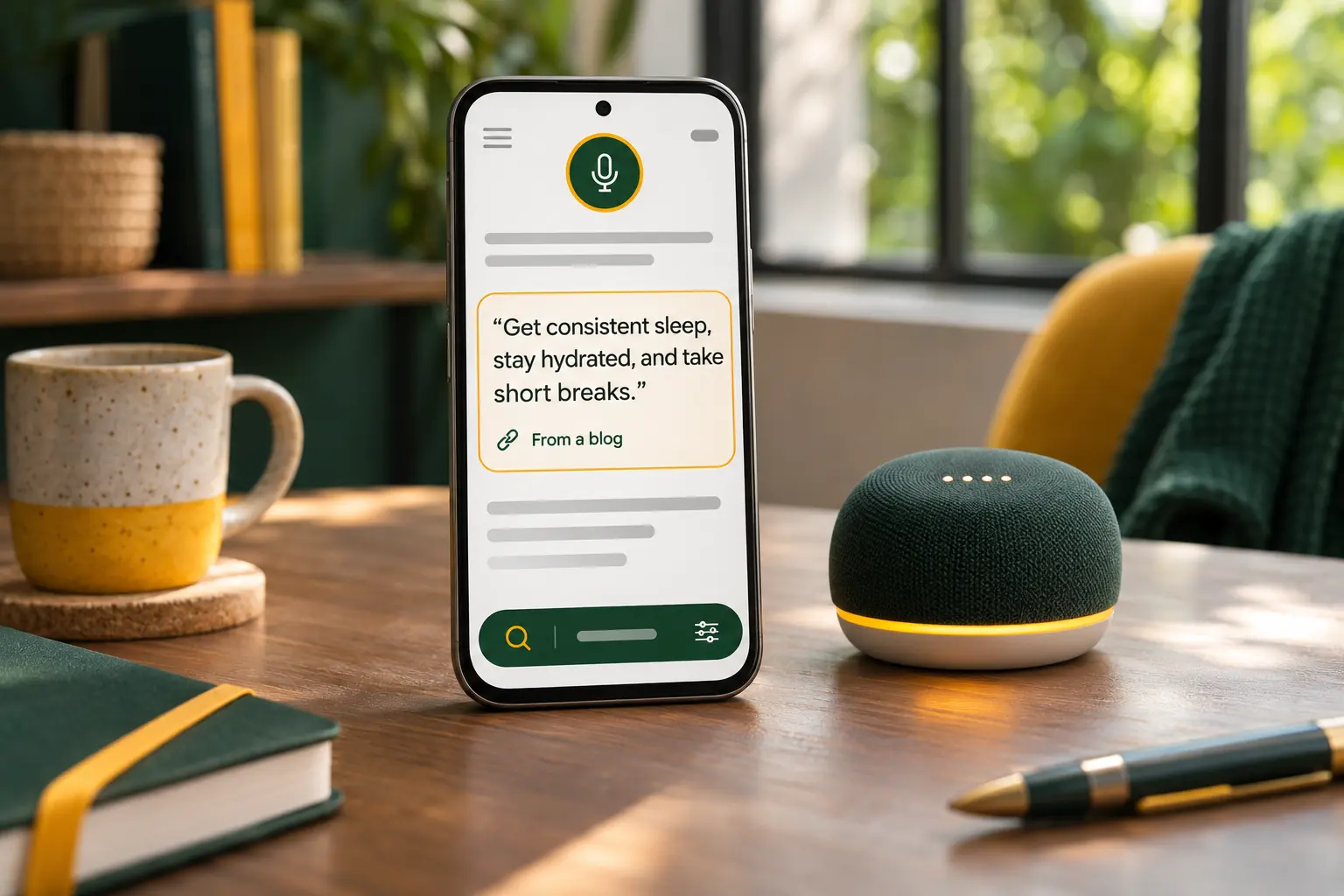
Answer engine optimization for bloggers: how to write the 40-to-60-word answer that featured snippets, voice assistants and AI chats lift straight into their replies.
PixelClaw Editorial Team
Product and search team
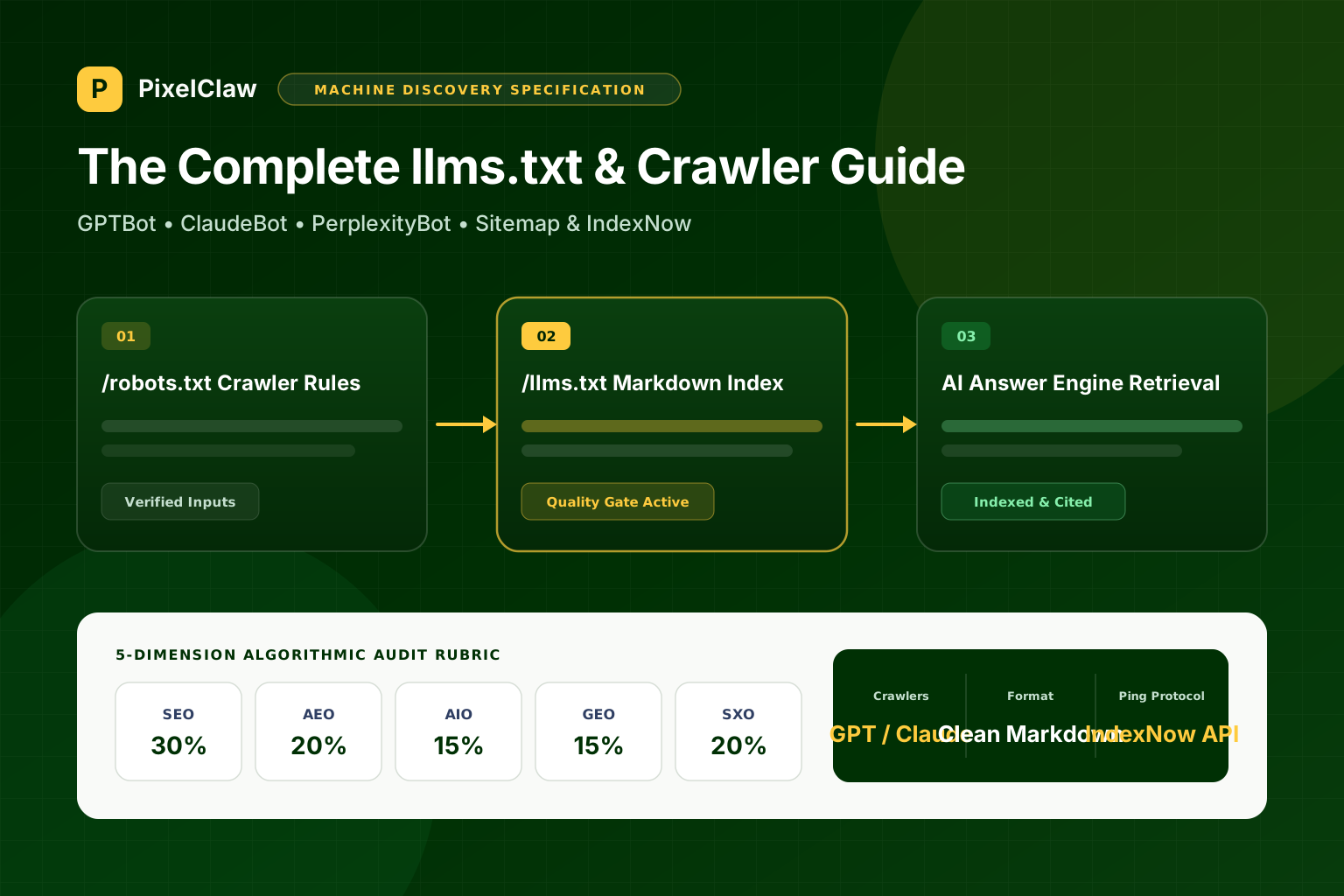
The Complete llms.txt Guide: How to Configure Your Blog for GPTBot, ClaudeBot, and PerplexityBot
Why AI agents struggle with JavaScript-heavy marketing sites, how the llms.txt specification works alongside robots.txt and sitemap.xml, and how to set it up automatically.
Marcus Vance
Head of Growth Architecture