Lifestyle blogging
Niche guideLifestyle Blogging Software: Give a Broad Blog a Reader and a Rhythm
What lifestyle blogging software can do for a blog that covers home, habits and everyday life, and why the blogger still has to choose a reader and a few themes.
On this page▸
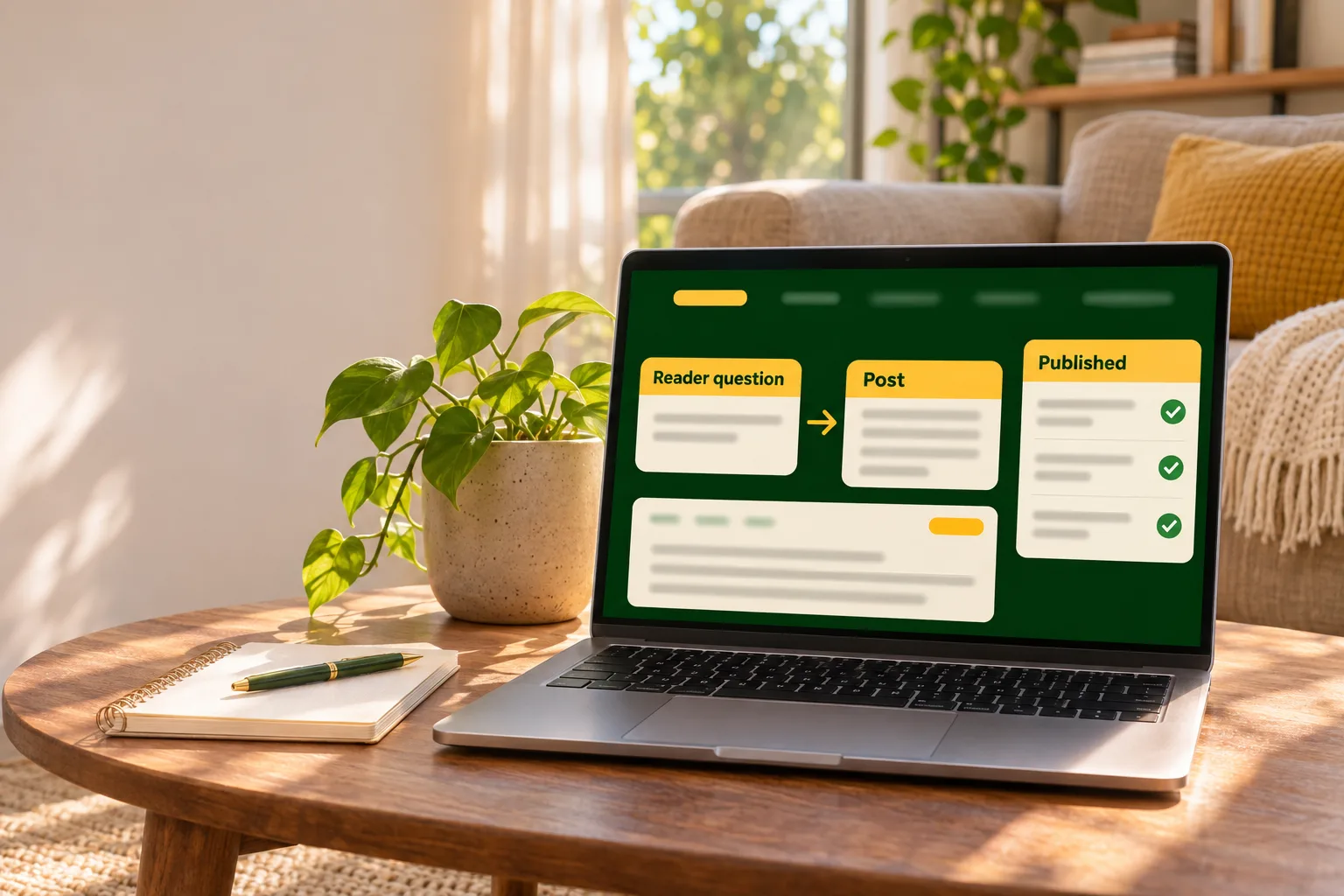
Lifestyle blogging software researches the questions your readers ask about home, habits and everyday life, writes an outline and a draft, scores it and publishes it on your blog. It saves writing time. It cannot decide who your blog is for, so choose one reader and a few recurring themes first.
What is lifestyle blogging software?
Lifestyle blogging software does the research, drafting and publishing work for a blog about everyday life. It collects the questions readers ask, writes an outline and a draft, scores it and publishes it on your blog after you approve it.
A lifestyle blog is harder to run than a narrow one, because there is no obvious next topic. A food blog writes the next recipe. A lifestyle blog can write about anything, and that freedom is why many of them stop. Software helps most when the blogger has already chosen where the blog is going.
It is a fit for a person who writes about their own life and wants to keep a steady pace, and for a small brand that wants a blog in a friendly voice around what it sells.
What do lifestyle readers search for and ask AI assistants?
People rarely search for lifestyle as a subject. They search for a small problem in their week. How to get out of bed earlier, how to meal plan on a budget or how to make a rented flat feel like home. AI assistants get the same questions, and they tend to quote the page that answers first.
These are question types a lifestyle blog can own. The third column is where the blogger's own life comes in.
| What the reader asks | What the post needs | What the blogger adds |
|---|---|---|
| How do I build a morning routine that sticks? | A short answer and a simple plan | The routine you tried and where it failed |
| How can I decorate a rented flat? | Ideas that need no drilling | Photos of your own rooms |
| What is a realistic weekly meal plan on a budget? | A sample week and a shopping list | What you actually spent, dated |
| How do I declutter without throwing everything out? | A step-by-step method | What you kept and why |
| What are good slow weekend ideas near home? | A list with reasons | Places you have been |
| How do I make friends as an adult? | Practical options | What worked for you, honestly told |
| How do I start journaling? | A beginner method | A page you are willing to share |
| Is a capsule wardrobe worth trying? | Pros and cons | How it went for you |
Why most lifestyle blogs stall
Orbit Media's 2026 survey of 1,042 content marketers puts the average post at 3 hours and 20 minutes to write, and the same survey found that 92.4% now use AI for blogging while 13.9% report strong results. Speed was never the problem. A lifestyle blog stalls because nothing tells the writer what to write next.
A blog about home, habits, books and the weekend has no edge. Each post has to find its own reason to exist, and readers cannot tell what to expect. After a few weeks the writer runs out of ideas and the posts thin out.
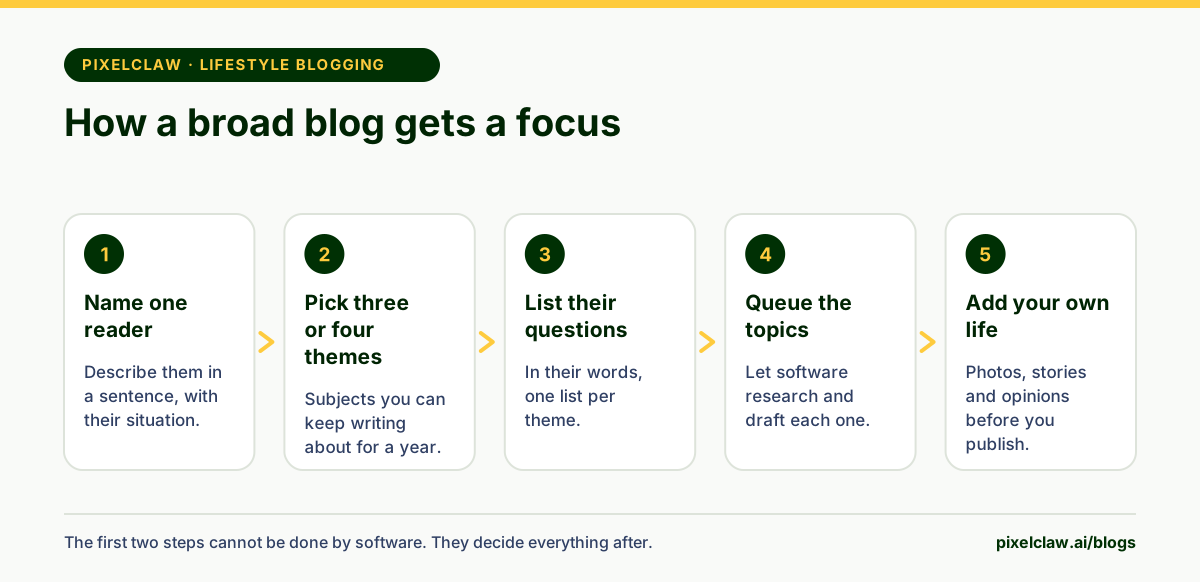
The cure is a reader and a few themes. Once those are fixed, software can do a lot, because each post has a clear job.
What only the lifestyle blogger can supply
The reader is the first decision. Software cannot know whether the blog is for new parents, remote workers or retirees, because it cannot know who you want to help. A blog written for everyone reads as generic and is not found for anything.
The themes are the second. Three or four recurring subjects give the blog a shape and give readers a reason to subscribe or return. Without them, every post is a one-off.
The life is the third. Your home, your week and your mistakes are the material no other blog has. Google's guidance on helpful, people-first content asks about first-hand experience and why the content exists, and in lifestyle writing your own experience is the product.
Honesty about money is the fourth. If a brand gave you a candle or pays you per click, readers need to know. A post that hides it loses the trust the whole blog depends on.
What makes a lifestyle post trusted by readers, Google and AI answers
Answer the question first. If the post is about how to start journaling, say the simplest way to begin in the first paragraph and then expand.
Be specific about your own experience. Say what you tried, for how long and what changed. Put the date on it. Name the author and link a short page about who you are. These details tell a reader and a search engine that a real person wrote the page.
Make the page easy to find and read. The SEO Starter Guide from Google covers the basics of page titles, descriptions and links. PixelClaw sets up the sitemap and page data from the first day, so your attention can go to the writing.
Disclose gifts and links. The FTC's guidance says to put the disclosure with the recommendation and use plain words such as "ad" or "sponsored", and not to bury it among hashtags or links.
How PixelClaw fits a lifestyle blog
PixelClaw researches each topic by reading the pages that already rank and collecting the questions readers ask, then writes an outline and a draft. For a lifestyle blog the draft arrives with the questions your reader is likely to have already built in.
You can guide one post at a time in the writing studio, where the outline can be edited before the draft is written. That is where you add your own story. Or you put topics in a queue and let Autopilot work through them at your plan's pace, which keeps a weekly rhythm going on a busy week.
Every draft is scored out of 100 from 21 checks in five areas: SEO carries 30% of the score, AEO 20%, AIO 15%, GEO 15% and SXO 20%. Most failing checks come with a one-click fix. A draft under 60 is held back. Finished posts wait for your approval by default, and with automatic publishing switched on a post must score 77 or more to go live on schedule.
A personal blog can skip business details at setup, so a lifestyle blog needs no company profile. A brand with a lifestyle blog can add its website so PixelClaw builds a business profile the owner approves. Posts are published on a blog PixelClaw hosts for you, with sitemap.xml, robots.txt, llms.txt and structured data for articles and FAQs set up from the first day, or on an existing WordPress site through the PixelClaw plugin. Starter and higher plans can connect a custom domain and translate a post into eleven languages. PixelClaw makes a hero picture for each post it drafts.
How to choose lifestyle blogging software
Five questions help a lifestyle blogger pick a tool.
- Does it let you describe the blog? A tool that asks only for a keyword will write the same post as everyone else.
- Does it research reader questions? Small practical questions are where a lifestyle blog gets found.
- Can you edit the outline before the draft? Your story belongs in the structure, not pasted on at the end.
- Do you approve every post? A personal blog should never publish something you have not read.
- Does it hold weak drafts back? A score with a publish bar protects the voice of the blog.
Start a lifestyle blog this week
On day one, write the reader sentence and the themes. On day two, list five questions that reader would ask in each theme, in their words.
Create the blog and add the first question as a topic. Let it research and draft, then add your own story, one photo and the date. Fix the failing checks, approve the post and publish. Repeat once a week.
After a month, look at which posts are read and let them tell you which theme to deepen. Our guides to autoblogging and to whether blogging is still worth it cover pace and results, and business blogging software is the page for a brand with a lifestyle voice.
- Lifestyle readers search for small, practical answers about routines, homes, budgets and habits, not for a general blog about a life.
- Lifestyle blogs stall because they cover everything and so have no clear reason to be read.
- Software can research, outline, draft and publish, but it cannot decide who the blog is for.
- A defined reader and three or four recurring themes make the posts specific enough to be found and to be remembered.
- Disclose gifted items and affiliate links beside the recommendation, in plain words.
Frequently Asked Questions
What is lifestyle blogging?+
Lifestyle blogging covers everyday life for a particular reader, such as home, routines, relationships, money habits or travel close to home. It differs from a niche like finance because it mixes themes. That mix works only when the blog knows who it is for.
How do I start a lifestyle blog?+
Describe one reader in a sentence, for example a first-time renter in a small city. Choose three or four themes you can write about for a year, such as small-space living, cheap meals and slow mornings. Create the blog and publish a post for that reader on the first theme.
Can AI write a lifestyle blog?+
It can draft the structure and the background for each post. It cannot live your life, so the stories, the photos and the opinions must be yours. A lifestyle blog with no personal detail reads like every other one.
What should a lifestyle blog write about?+
Write about the questions your chosen reader asks, in your chosen themes. A reader who rents a small flat asks how to store things, how to cook with one pan and how to make a room feel bigger. Those are better starting points than a list of trending topics.
How should I disclose gifts and sponsored items?+
Say it next to the mention, in plain words, such as "this was a free gift from the brand" or "I earn a commission on this link". The FTC says a financial relationship is a material connection and the disclosure should be placed with the recommendation, not buried.
Sources
- Blogging Statistics 2026: What 1,042 Content Marketers Told Us About What Works — Orbit Media Studios (The average post takes 3 hours 20 minutes to write. 13.9% report strong results and 92.4% use AI for blogging.)
- Creating helpful, reliable, people-first content — Google Search Central (Asks who created the content, how, and why, and stresses first-hand experience.)
- Google Search's guidance about AI-generated content — Google Search Central Blog (Automation is fine when it serves people. Using it mainly to manipulate rankings is spam.)
- SEO Starter Guide — Google Search Central (Explains how to make content easy for search engines to find and understand.)
- Disclosures 101 for Social Media Influencers — U.S. Federal Trade Commission (A financial relationship is a material connection, and the disclosure belongs with the recommendation, in plain words.)
Built & scored using PixelClaw.ai
More from this blog
Continue exploring autoblogging architecture, AI blog writing, and SEO / AEO / GEO playbooks.

Business Blogging Software: How a Blog Brings Customers to Your Business
What business blogging software does, why articles bring in customers who are already searching, and how it works for a local firm, a store, a SaaS company, an agency or a practice.
PixelClaw Editorial Team
Product and search team
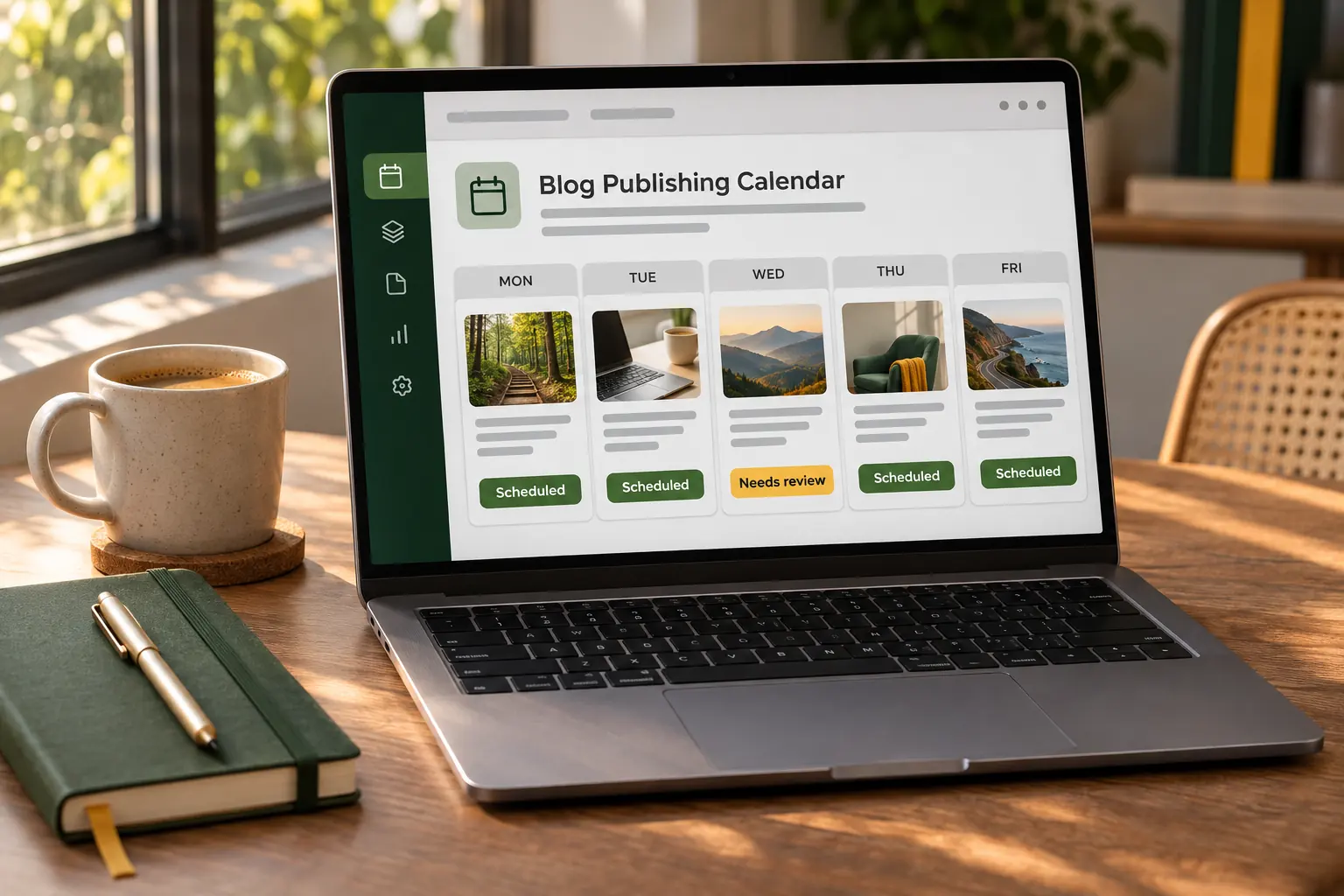
Autoblogging in 2026: How to Run a Blog That Publishes Itself and Still Ranks
What autoblogging looks like when it works: a topic queue, research before writing, a score that holds weak drafts back, and editorial review before a draft reaches readers.
PixelClaw Editorial Team
Product and search team
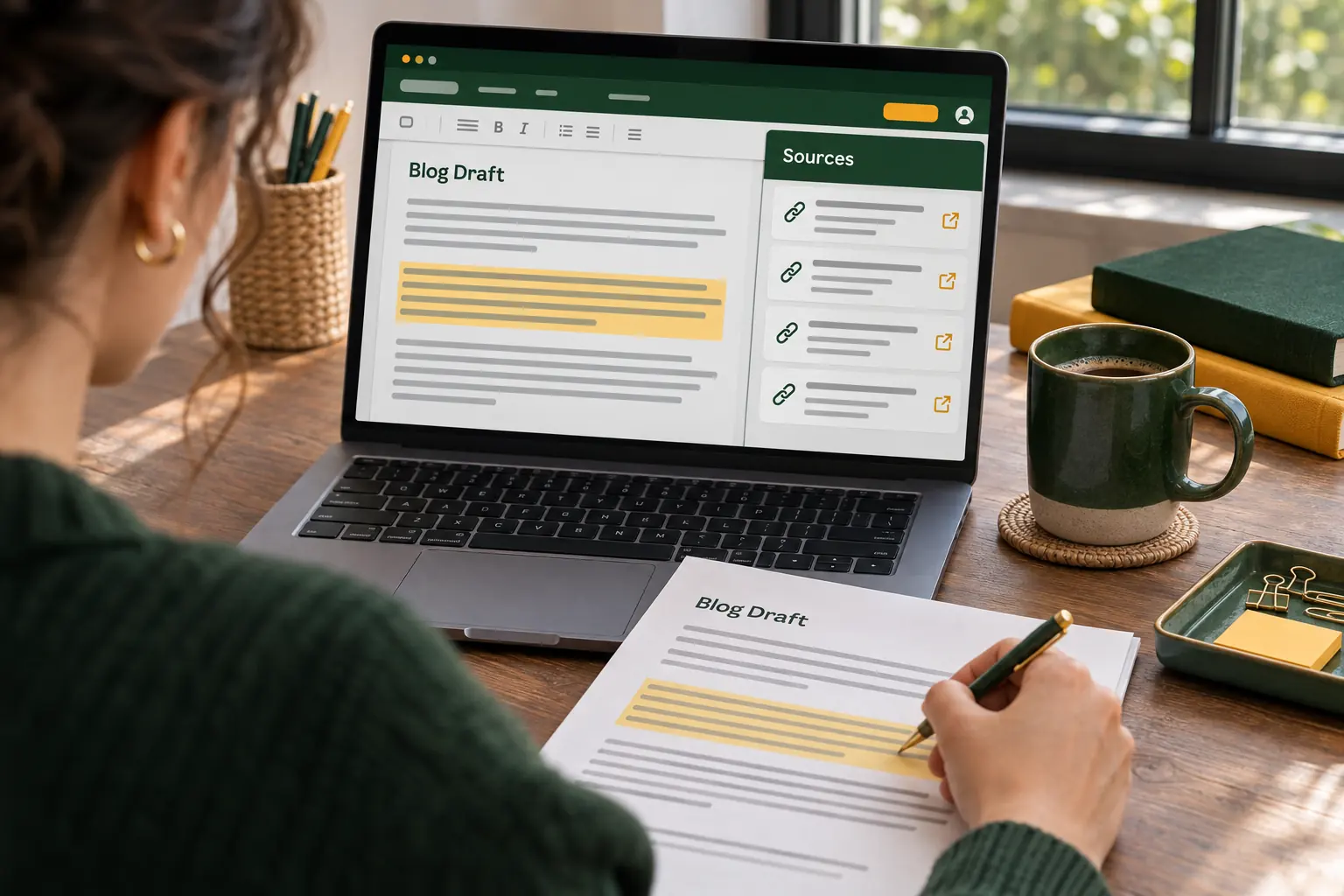
AI Blogging Without the Slop: A Working Process for Posts People Trust
Where AI earns its place in a blog, where a person still has to step in, and a five-step process that turns AI drafts into posts worth putting your name on.
PixelClaw Editorial Team
Product and search team